From the homeowner’s perspective: Help your clients assess their roof

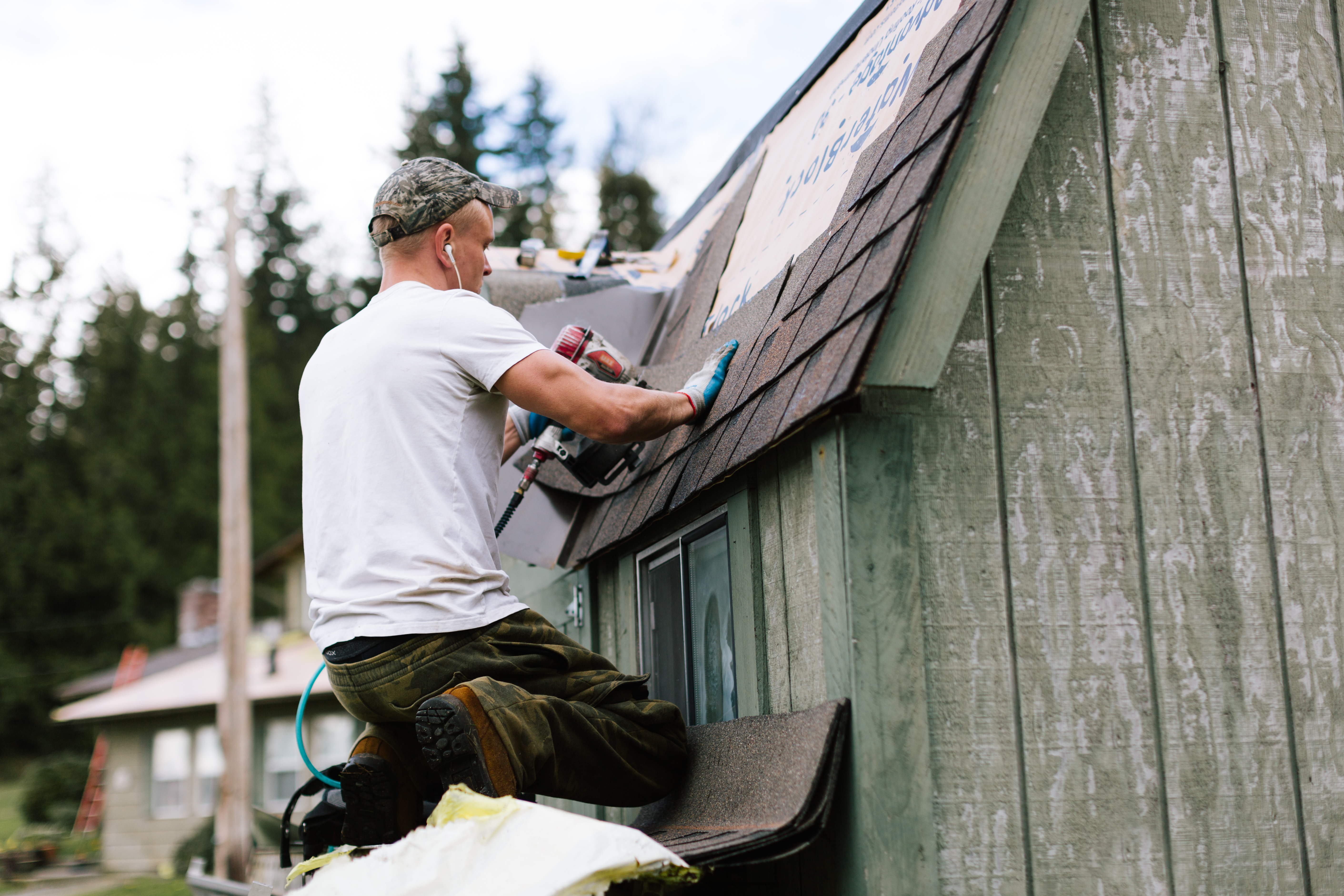
Industry expert shares tips on talking clients through the reroofing process.
While working on roofs is a day-to-day task for contractors in the roofing industry, it is far more uncommon for the average homeowner. With asphalt roofing lasting around two decades, most homeowners will only encounter the roofing process once or twice in their entire lives. This means, as contractors, it is our responsibility to make that process as simple as possible, starting with helping homeowners know when they need to replace their roof.
Helping homeowners understand their roof
One of the most important things to impart to your existing customer base and future customers is the importance of getting a professional assessment of their roof. When many homeowners think about reroofing, they think about catastrophic issues like a tree falling on their home or a leak damaging the interior.
However, the reality is that these are the worst-case scenarios for roofs. Not only does this mean urgency is more crucial when they see these issues, but it also often means there is more damage, which leads to a more expensive solution. The best thing they can do for their roof, their peace of mind, and their wallet is to get a professional assessment to find issues before they become catastrophes. These issues include:
- Cracking or curling: Many residential homes feature asphalt shingles. As this type of roof ages, the asphalt can become brittle and crack due to exposure to the elements. They can also, at times, cup or curl, which is when they begin to lift from the roof deck. Both of these are clear signs that a roof needs repair or replacement, as those cracks can lead to larger issues like leaks.
- Missing granules: As asphalt roofs age, the granules that coat them naturally start coming off. While this is normal, too much granule loss means a loss of benefits like UV protection, water direction, fire resistance, and algae inhibition.
- Sagging or waviness: Another thing that contractors look for is roof sagginess or waviness. A great way to explain this one to homeowners is that you are looking for uneven shingles. This can be a sign of everything from moisture damage in the roof deck to debris getting caught under a loose shingle. Either way, this irregularity is a sign that a roof needs some work.
- Regular inspections: Especially if the client is in an area that gets extreme weather, having regular roof inspections can be a great way to catch potential issues early. While homeowners might feel like this is a lot to deal with, it is important to explain how this type of maintenance saves them money in the long run.
- Landscaping: Another thing that homeowners should be aware of is the environment around their roof. Things like overhanging trees need to be monitored and trimmed to avoid roof risks like damage from falling branches.
- Gutter cleaning: While often seen as an accessory to a roof, gutters are a crucial part of the roof system that keep water from pooling and damaging the home’s structure. Homeowners should be advised to keep their gutters clear of debris like leaves. Not only does this make sure that water sheds properly, but if gutters get too full and heavy, they can also start putting strain on the roof due to accumulated weight.
Overall, it is important to help homeowners understand the different factors that professionals can look at to assess the state of their roof before it becomes an expensive crisis.
Talking through the options
Once you have assessed the roof, it’s time to talk to your client about the different options available to them. In the best-case scenarios, the roof is still in good shape, and you will be focused on preventative care. This includes taking steps like:
However, if you found some of those telltale signs of an aging and failing roof, it’s time to talk to your client about whether a roof repair will suffice or if it’s time for a full roof replacement.
One rule of thumb to follow when it comes to giving your recommendation is to check for a shingle marking that indicates when the product on the roof was made. This is a feature that many leading manufacturers incorporate into their products, including PABCO Roofing Products. By looking at this marking, you can easily assess if a lifting shingle is a one-off problem or a cascading issue that is happening because of the age of the roof.
Additionally, make sure when you are talking about roof replacements, you highlight the performance benefits of this investment. Many homeowners hesitate to replace a roof before a catastrophe strikes due to the expense. By talking to them about how newer roofs can have better warranties, increase their home’s value, protect their family better, and even get them better insurance rates, you can help assuage some of their cost concerns.
Remember, you are their guide
Overall, it is important to remember that what is an everyday roofing conversation for you is maybe something your client has never thought about before. By taking the time to not only look at their roof but also explain what you are seeing and why you are advising them to make certain choices, you can lower their stress and make the process easier for them.
At the end of the day, if you want to be seen as a reputable and trusted contractor, you want to make your client feel like a decision-maker and partner, not just another sale. And sharing your knowledge and insights with them is key to that.