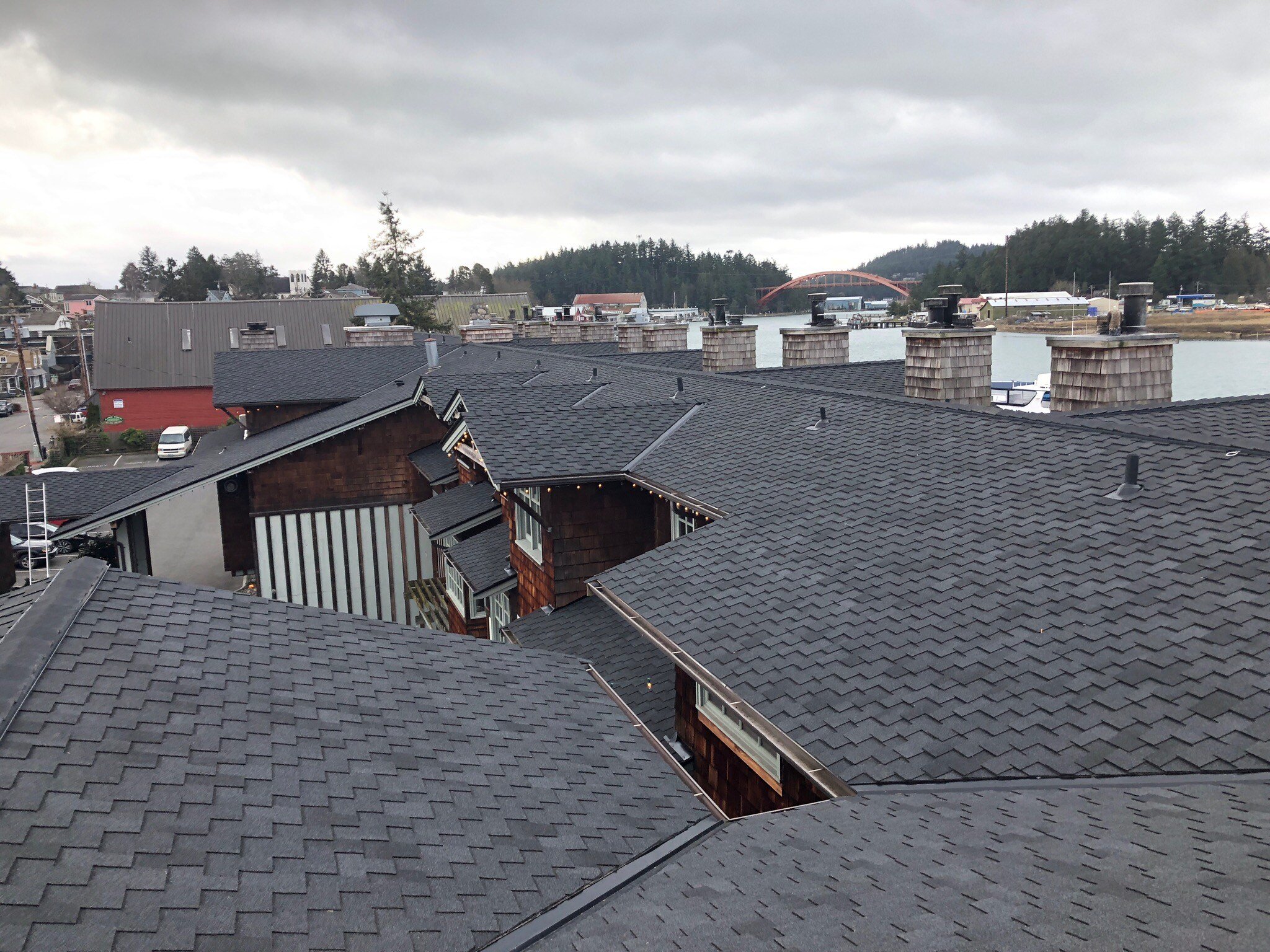
Navigating Colorado's new wildfire resilience code

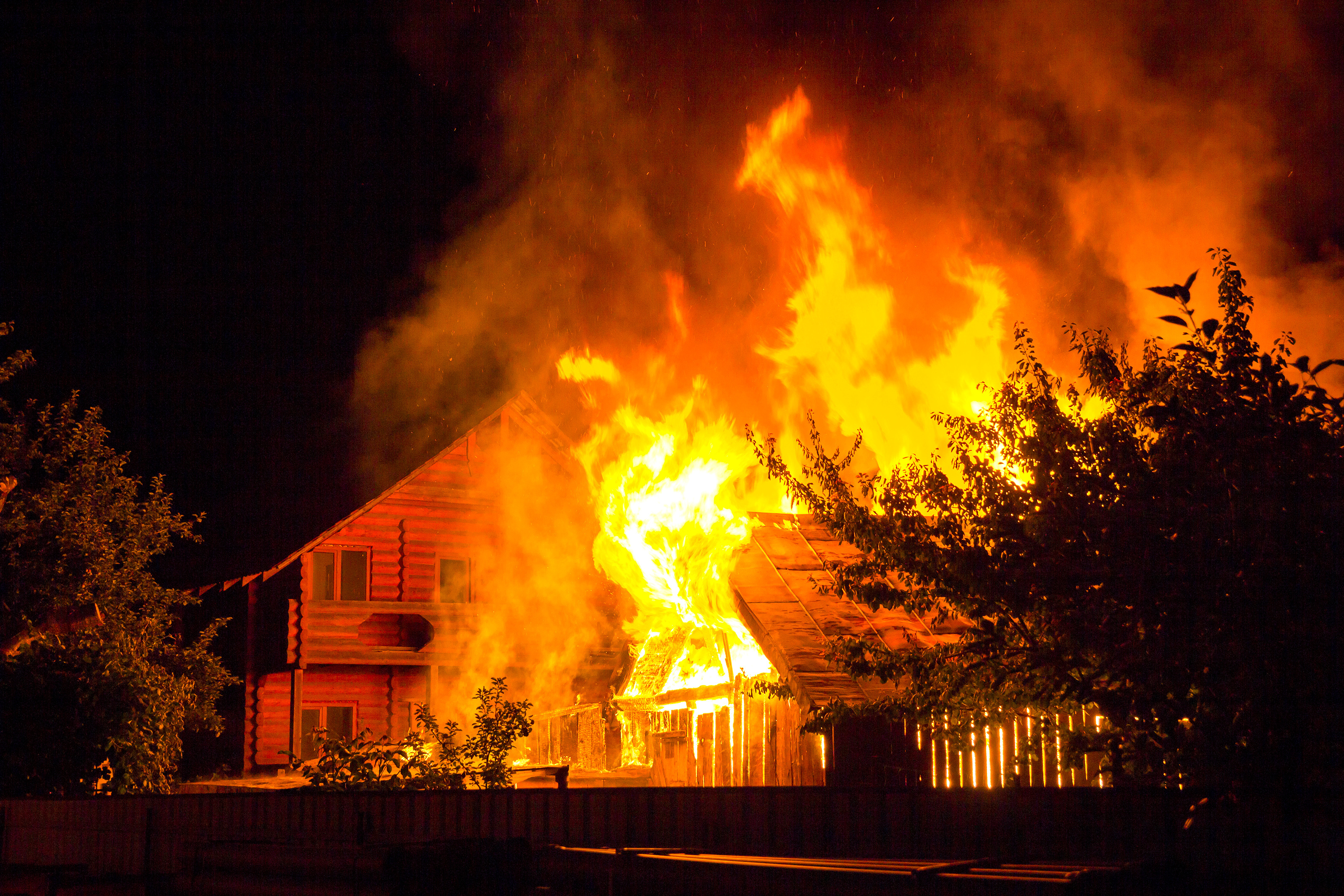
What this code change means for roofing contractors — and how PABCO Roofing Products set contractors up for success.
Beginning July 1, 2026, roofing contractors working in Colorado's Wildland-Urban Interface (WUI) areas face new requirements under the Colorado Wildfire Resiliency Code (CWRC). While the code introduces additional considerations for roof assemblies and exterior building components, contractors can take confidence in knowing that PABCO Roofing Products' shingles already meet Class A fire-resistance requirements, helping simplify compliance discussions and project planning.
Understanding the new code
The CWRC was adopted to improve wildfire resilience in communities located where developed areas meet wildland vegetation. The code's origins trace back to California's wildfire mitigation efforts and were brought to Colorado following the devastating Marshall Fire of 2021, which destroyed thousands of structures in Boulder County and resulted in more than $1 billion in damages.
The scope of this new code is described as:
Apply[ing] to the construction, alteration, movement, repair, maintenance and use of any building, structure or premises that contain occupiable and/or habitable space or change in use resulting in an occupiable and/or habitable space, unless excepted, within the wildland-urban interface areas of Colorado, as designated in this code. Buildings or conditions in existence at the time of the adoption of this code are allowed to have their use or occupancy continued, if such condition, use or occupancy was legal at the time of the adoption of this code, provided that such continued use does not constitute a distinct danger to life or property.
What this means for contractors
In relation to this new code, there are a few things contractors must consider when bidding or beginning work:
- Is your project in a WUI area? If yes, what hazard classification (low, moderate or high)?
- Does the entire roof assembly meet Class A fire ratings? The key word here is assembly, as roofing work may trigger additional requirements for siding, soffits, fascia, doors and other exterior components.
- Review critical details such as valley flashing, ventilation, gutters and roof penetrations. This is critical as CWRC is not solely about roofing products; it is about the entire structure.
This can feel like a lot to manage, but there are some ways that contractors can make CWRC compliance easier! First, coordinate with your local Building Departments and Fire Districts. Not only will they have helpful insights, but they will also have knowledge about any other requirements or enforcement procedures that may impact your project.
Second, work with a trusted manufacturer whose products already meet and exceed fire ratings – a manufacturer like PABCO! The good news is that PABCO shingles carry a Class A fire rating, providing contractors with a trusted roofing solution that aligns with one of the key requirements within the CWRC. Technical Data Sheets (TDS) and supporting documentation are available to help verify Class A performance when required during the permitting or inspection process.
In conclusion
Overall, as Colorado continues to prioritize wildfire preparedness, contractors can expect increased scrutiny of roofing systems and exterior construction details designed to reduce the risk of ember intrusion and fire spread. In response, PABCO is committed to helping contractors understand product performance and providing them with products that they can confidently specify knowing they meet the industry's highest fire-resistance classification for roofing materials.
Need documentation or have questions about Class A performance? Contact your PABCO representative for product-specific information and support.